Why Do Commercial Kitchens in Florida Fail Inspections?
Florida’s thriving food service industry relies heavily on consistent safety standards—and state inspections are designed to ensure that every establishment protects both customers and employees. Yet, many commercial kitchens across the state still fail these routine inspections.
Omar Montellato
11/26/20252 min read
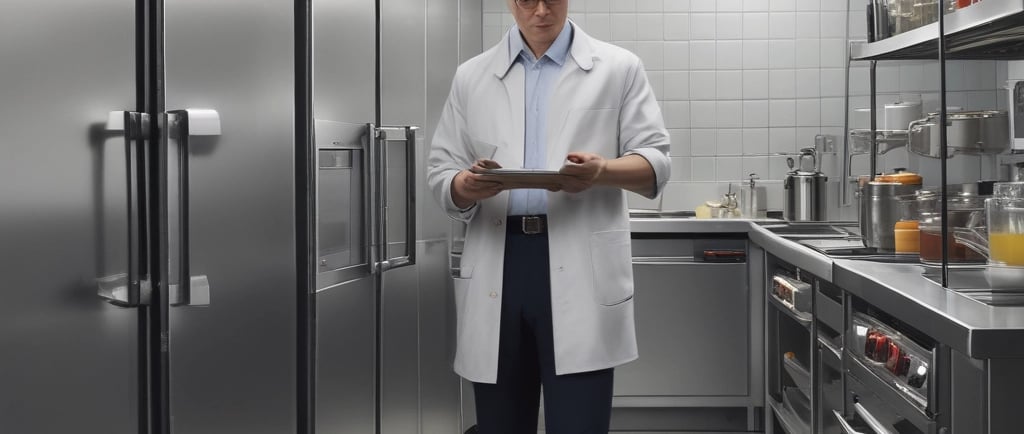

Why Do Commercial Kitchens in Florida Fail Inspections?
Florida’s thriving food service industry relies heavily on consistent safety standards—and state inspections are designed to ensure that every establishment protects both customers and employees. Yet, many commercial kitchens across the state still fail these routine inspections. Understanding why this happens is essential for preventing shutdowns, avoiding fines, and maintaining a spotless reputation.
Below are the most common reasons why Florida commercial kitchens fail inspections, along with key points highlighting the importance of proper equipment maintenance.
1. Poor Temperature Control
Improper food temperatures remain one of the top reasons for inspection failures. In Florida’s warm climate, refrigeration systems work harder than usual, and even a minor malfunction can quickly make food unsafe.
Common issues include:
Refrigerators not holding the correct temperature
Freezers overfilled or poorly sealed
Prep tables failing to maintain required cooling
Thermostats or sensors malfunctioning
Why maintenance matters:
Regular servicing of refrigeration equipment prevents breakdowns, ensures temperature accuracy, and reduces the risk of foodborne illness.
2. Dirty or Poorly Maintained Equipment
Food debris, grease buildup, and poorly cleaned machinery are red flags during inspections.
Frequent problem areas:
Ovens and grills with excessive grease
Ice machines with mold or scale buildup
Coffee and espresso machines clogged with residue
Ventilation hoods full of grease
Why maintenance matters:
Professional deep cleaning and routine tune-ups keep equipment operating efficiently and help kitchens meet sanitation requirements.
3. Faulty or Worn-Out Cooking Equipment
When cooking equipment is not functioning properly, it can lead to uneven heating, unsafe cooking conditions, and violations.
Typical issues:
Burners not igniting
Ovens heating unevenly
High-speed ovens out of calibration
Microwave seals damaged
Why maintenance matters:
Regular inspections catch small issues before they become costly repairs or result in unsafe cooking practices.
4. HVAC and Ventilation Problems
Florida’s humidity places extra strain on ventilation and air-conditioning systems. When they fail, heat and moisture build up quickly.
Common inspection concerns:
Poor air circulation
Excessive heat in the kitchen
Cooking fumes accumulating in prep areas
Condensation forming near food storage
Why maintenance matters:
A properly functioning HVAC system keeps employees safe, improves working conditions, and prevents moisture-related health violations.
5. Ice Machine Contamination
Ice is considered a food product—and inspectors take its safety seriously. Contaminated ice machines are a frequent cause of violations.
Typical findings:
Mold growth
Slime buildup
Dirty filters
Unsterile bin interiors
Why maintenance matters:
Routine cleaning and sanitization extend equipment life and guarantee a safe supply of ice for customers.
6. Neglecting Preventive Maintenance
Many kitchens operate under high pressure, leaving little time for routine inspections of equipment. This leads to preventable failures.
Consequences of skipped maintenance:
Increased equipment downtime
Food safety risks
Higher repair costs
Greater likelihood of sudden breakdowns during service
Why maintenance matters:
Preventive maintenance programs dramatically reduce surprise issues and help kitchens stay compliant year-round.
7. Improper Installation or DIY Repairs
Attempting to fix or install commercial equipment without proper expertise often leads to code violations.
Problems inspectors notice:
Unsecured electrical connections
Incorrectly installed refrigeration lines
Non-compliant ventilation placements
Water line issues in coffee and ice equipment
Why maintenance matters:
Professional installation ensures all equipment meets safety and regulatory standards from day one.
Key Takeaway: Maintenance Is the Foundation of Compliance
Most inspection failures trace back to equipment issues that could have been avoided with proper, consistent upkeep. While cleanliness, staff training, and safe food handling are essential, the reliability of kitchen equipment plays an equally critical role.
Regular maintenance helps commercial kitchens in Florida:
Stay compliant with state regulations
Avoid costly emergency repairs
Reduce downtime during peak hours
Improve safety and efficiency
Extend equipment lifespan
Keeping equipment in top condition is one of the most effective ways to ensure smooth inspections and uninterrupted kitchen operations.
Santos Technical Services
Your Trusted Partner for Commercial Kitchen Equipment, Air Conditioning, and Refrigeration Solutions!
contact INFO
Subscribe to Our Updates
+1 (561) 303 4654
© 2025. All rights reserved.
918 Clint Moore Rd Boca Raton - FL33487